Exploring Synchronization Methods Between Live Dealer Table Outcomes and Real-Time Sports Event Odds Adjustments in Cross-Platform Environments
Otto Wagner · Sep 10, 2026
Exploring Synchronization Methods Between Live Dealer Table Outcomes and Real-Time Sports Event Odds Adjustments in Cross-Platform Environments
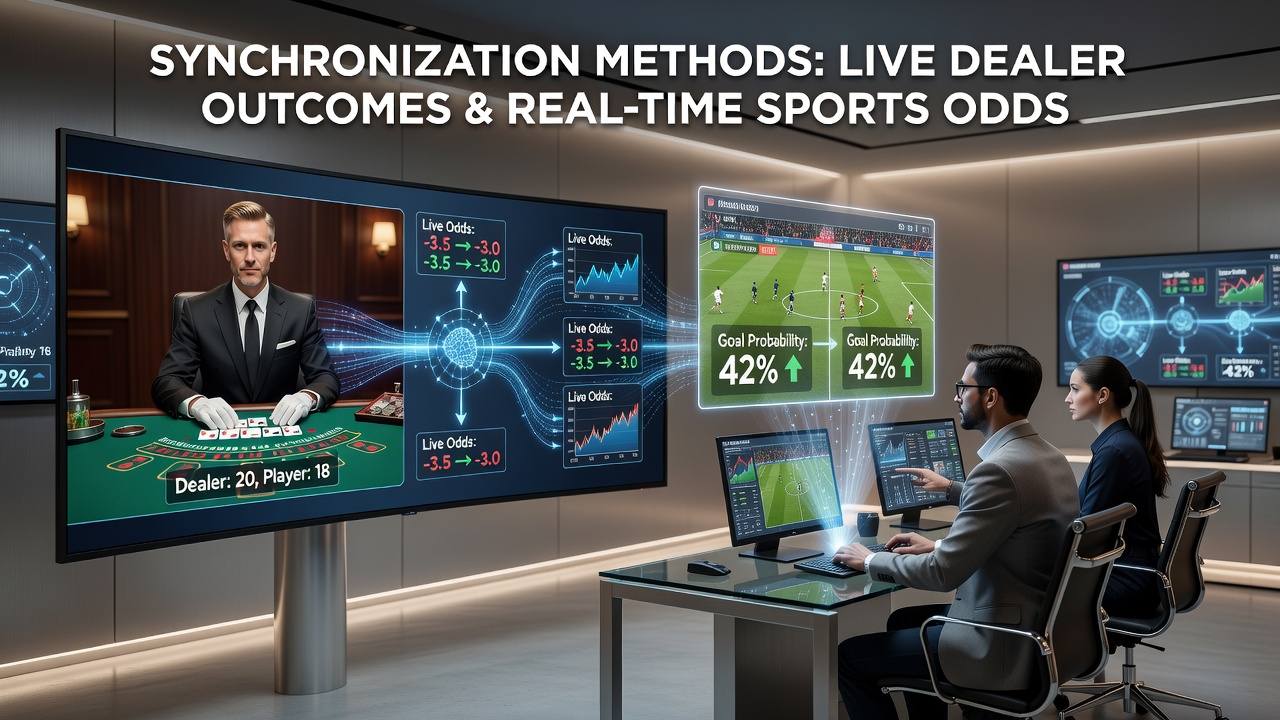
Cross-platform gambling environments now rely on synchronization protocols that connect live dealer table outcomes directly to sports event odds engines, allowing data from blackjack or roulette sessions to trigger immediate recalibrations in football or basketball betting lines. These systems operate through layered API frameworks where table result feeds stream into centralized servers that apply algorithmic adjustments to live odds while maintaining compliance with regional licensing rules.
Core Technical Integration Approaches
Developers implement WebSocket connections and event-driven architectures to push live dealer results into sports betting modules in under two seconds, whereas traditional batch processing often created delays that separated the two verticals. Data pipelines normalize outcomes from physical or virtual tables into standardized JSON formats that sports odds engines consume, then apply weighted variables such as session volume or specific result patterns to shift point spreads or totals. Platforms in multiple jurisdictions have adopted these methods since 2024, with further refinements reported through mid-2026.
Data Flow and Real-Time Adjustment Mechanisms
Live dealer platforms generate outcome packets that travel through secure middleware layers before reaching sports risk-management systems, where machine-learning models evaluate correlations between table activity and upcoming event probabilities. When a high volume of blackjack hands ends in dealer wins, for instance, the system may nudge related prop bets or accumulator multipliers within predefined tolerance bands. Such adjustments remain bounded by internal risk parameters that operators set according to liquidity forecasts and regulatory reporting requirements.

Regional Regulatory Frameworks Influencing Synchronization
Operators active in North American markets align synchronization processes with oversight from bodies such as the New Jersey Division of Gaming Enforcement, which mandates audit trails for any automated odds movement tied to non-sports data sources. In contrast, Australian state regulators require separate certification for cross-product data feeds, while Canadian provincial authorities focus on player protection disclosures when table outcomes influence sports lines. These differing rules shape how platforms configure latency thresholds and data segmentation in September 2026 deployments.
Implementation Examples Across Integrated Platforms
One major operator rolled out a unified mobile interface in early 2026 that routes roulette wheel results into a secondary odds engine responsible for live tennis markets, creating promotional tie-ins that adjust bonus eligibility based on combined table and match performance. Another deployment in European markets uses graph-database queries to map historical table streaks against league statistics, then surfaces micro-adjustments visible only to users who have opted into cross-vertical notifications. Observers note that these implementations require continuous reconciliation checks to prevent drift between the two data domains.
Security and Latency Considerations
Encryption standards applied to both dealer video streams and odds adjustment signals include TLS 1.3 with mutual authentication, while edge computing nodes positioned near major data centers reduce round-trip times during peak event windows. Redundant failover clusters activate within milliseconds if primary synchronization paths encounter packet loss, preserving continuity for users switching between table and sports sections. Industry reports indicate that average synchronization latency dropped below 800 milliseconds across major platforms by the second quarter of 2026.
Future Technical Developments
Research institutions continue to examine blockchain-based ledgers for immutable logging of cross-platform outcome transfers, although current production systems still rely on centralized databases subject to regular third-party penetration testing. Emerging protocols explore predictive prefetching of odds states based on anticipated table result distributions, yet deployment remains limited to controlled testing environments under existing licensing conditions.
Conclusion
Synchronization between live dealer tables and sports odds engines continues to evolve through layered technical standards, regional compliance requirements, and iterative platform testing. Data from sources including the Responsible Gambling Council shows steady growth in cross-product user sessions, while operators refine the underlying data pipelines to meet both performance and oversight demands through the remainder of 2026.